Adaptive Threshold Systems for Wagering Limits Across Interconnected Gaming and Prediction Platforms
Parker Butler · Aug 17, 2026
Adaptive Threshold Systems for Wagering Limits Across Interconnected Gaming and Prediction Platforms
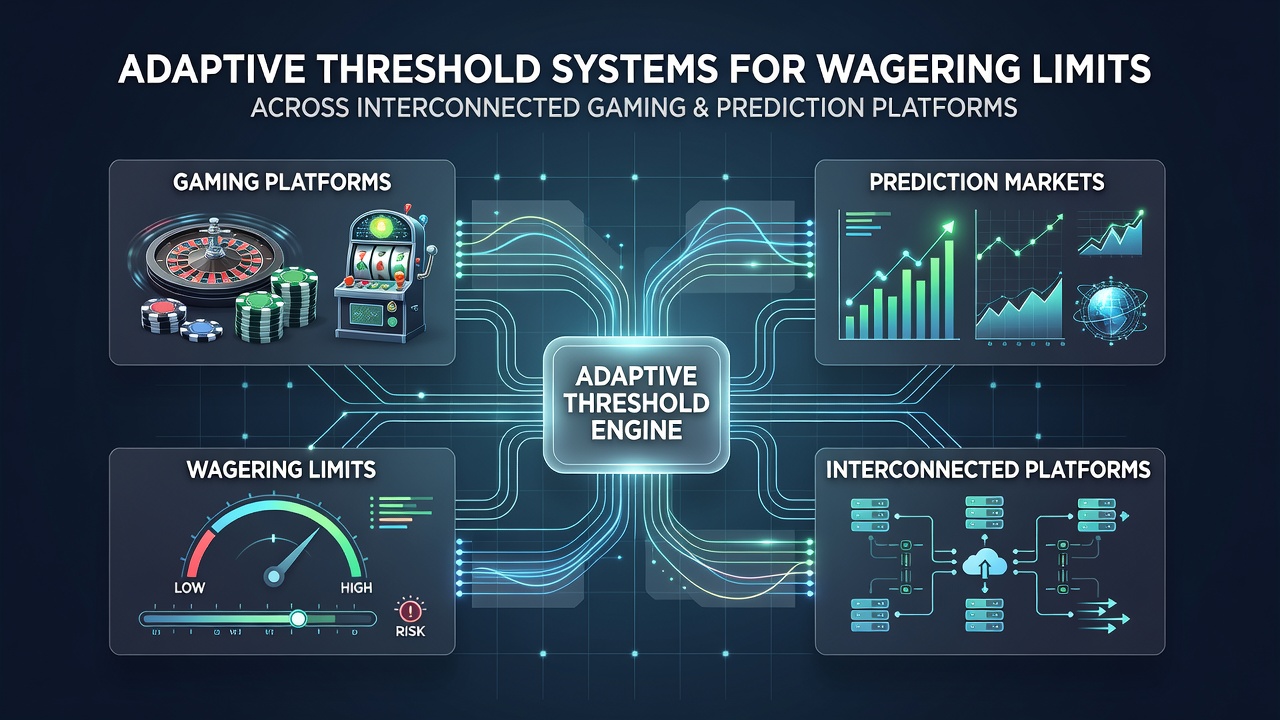
Adaptive threshold systems adjust wagering limits dynamically based on user activity patterns, platform interconnections, and regulatory inputs that flow between gaming operators and prediction networks. These systems analyze deposit velocity, session duration, and cross-platform betting volume in real time, then recalibrate maximum stakes or deposit caps for individual accounts while maintaining consistency across linked services. Data from interconnected environments shows that such adjustments occur through shared APIs that sync behavioral signals between sports prediction apps and casino platforms, allowing thresholds to respond to aggregated risk indicators rather than isolated site metrics.
Core Mechanisms in Multi-Platform Environments
Operators implement these systems by feeding transaction logs and gameplay telemetry into centralized decision engines that apply rule sets updated monthly, and the engines reference historical patterns from August 2026 deployments where several networks reported synchronized limit changes across mobile and desktop interfaces. When a player exceeds a velocity trigger on one platform, the system propagates an adjusted threshold to connected sites within seconds, using encryption protocols that preserve anonymity while complying with data-sharing agreements. Researchers note that calibration relies on machine learning models trained on anonymized datasets, which refine threshold sensitivity without requiring manual intervention from compliance teams.
Integration with Regulatory Reporting Standards
Regulatory bodies in multiple jurisdictions require operators to log every threshold adjustment and submit aggregated reports that detail how limits respond to behavioral flags. The Nevada Gaming Control Board has outlined expectations for real-time synchronization in its technical standards documents, while Australian state regulators emphasize audit trails that link threshold events to responsible gambling interventions. These frameworks encourage platforms to maintain separate yet interoperable databases so that a limit reduction triggered in a prediction market immediately appears in casino account settings, reducing opportunities for circumvention through account switching.
Studies conducted by academic groups have examined how these systems affect overall wagering volumes, and one analysis found measurable declines in high-velocity sessions once adaptive rules engaged across linked services. The research highlights that thresholds often tighten during periods of elevated activity, such as major sporting events, and relax gradually when patterns normalize, creating a feedback loop that operators monitor through dashboard analytics.
Technical Architecture and Data Flow
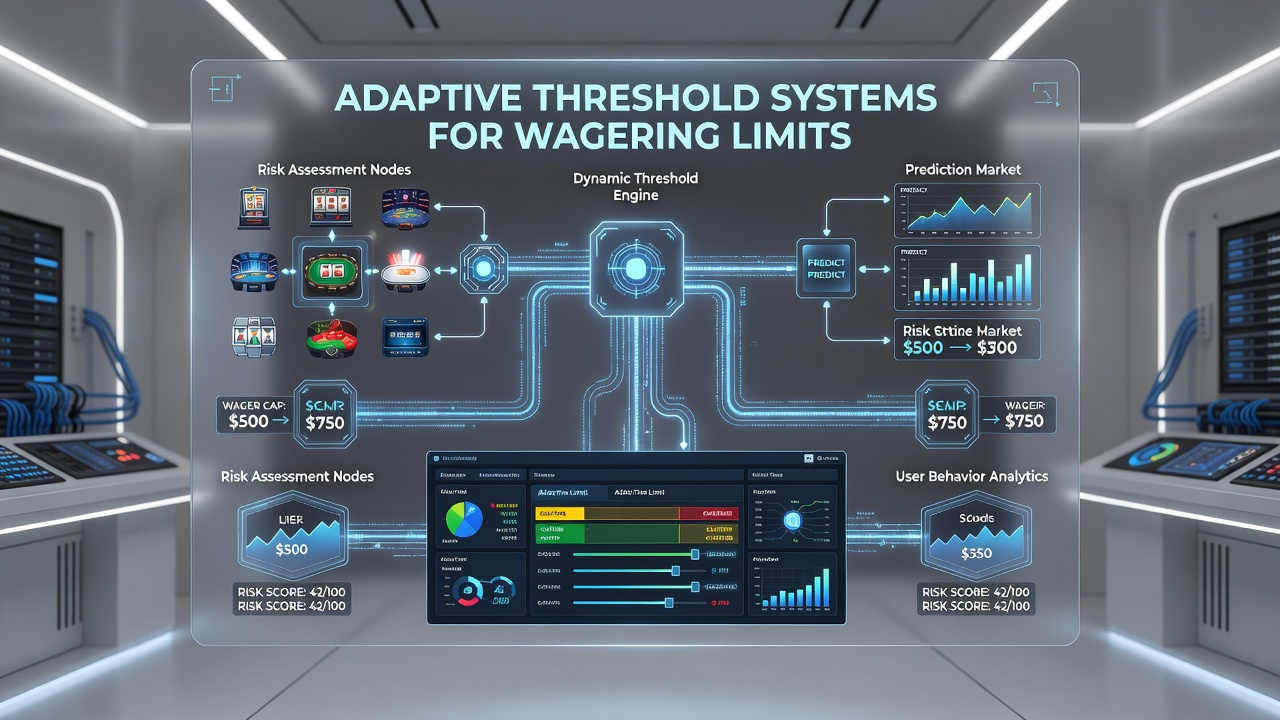
Platform architects design the underlying architecture around event-driven microservices that publish limit-change events to a shared message queue, allowing downstream applications to react without polling delays. Each service validates incoming signals against predefined risk models before applying new caps, and fallback procedures activate if any node in the network loses connectivity. Industry reports indicate that latency targets remain under 200 milliseconds for most cross-platform updates, which supports seamless user experiences even when multiple operators participate in the same threshold network.
Security layers include token-based authentication for inter-platform calls and regular penetration testing that verifies threshold integrity against unauthorized overrides. Observers note that these safeguards become especially relevant when prediction platforms interface with live casino environments, where rapid limit recalibration can influence both virtual and physical table minimums through integrated management consoles.
Impact on User Behavior Monitoring
Behavioral monitoring tools feed directly into adaptive engines, supplying variables such as win-loss ratios, time-of-day preferences, and device fingerprint data that refine threshold calculations. When patterns suggest increased risk exposure, the system raises alerts that compliance staff review alongside automated limit adjustments. Data shared through industry associations demonstrates that operators using these combined approaches record higher rates of self-exclusion uptake because the visible limit changes prompt users to reassess their activity levels.
Cross-border operators face additional complexity because different jurisdictions impose varying minimum reporting thresholds, yet the core adaptive logic remains consistent through modular rule engines that swap regional parameters without altering the underlying algorithms. This modularity allows networks active in both North American and European markets to maintain unified user profiles while satisfying local compliance requirements.
Conclusion
Adaptive threshold systems continue to evolve as interconnection standards mature and regulatory expectations tighten around real-time risk management. Their deployment across gaming and prediction platforms relies on synchronized data flows, machine learning calibration, and audit-ready logging that together create responsive wagering environments. As networks expand in August 2026 and beyond, the emphasis remains on maintaining accurate, timely adjustments that align with both operational goals and external oversight frameworks.