Cross-Platform Reward Portability and Its Alignment with Session Control Tools Across App-Based Card Rooms, Reel Sequences, and Athletic Prediction Services
Paul Foster · Aug 24, 2026
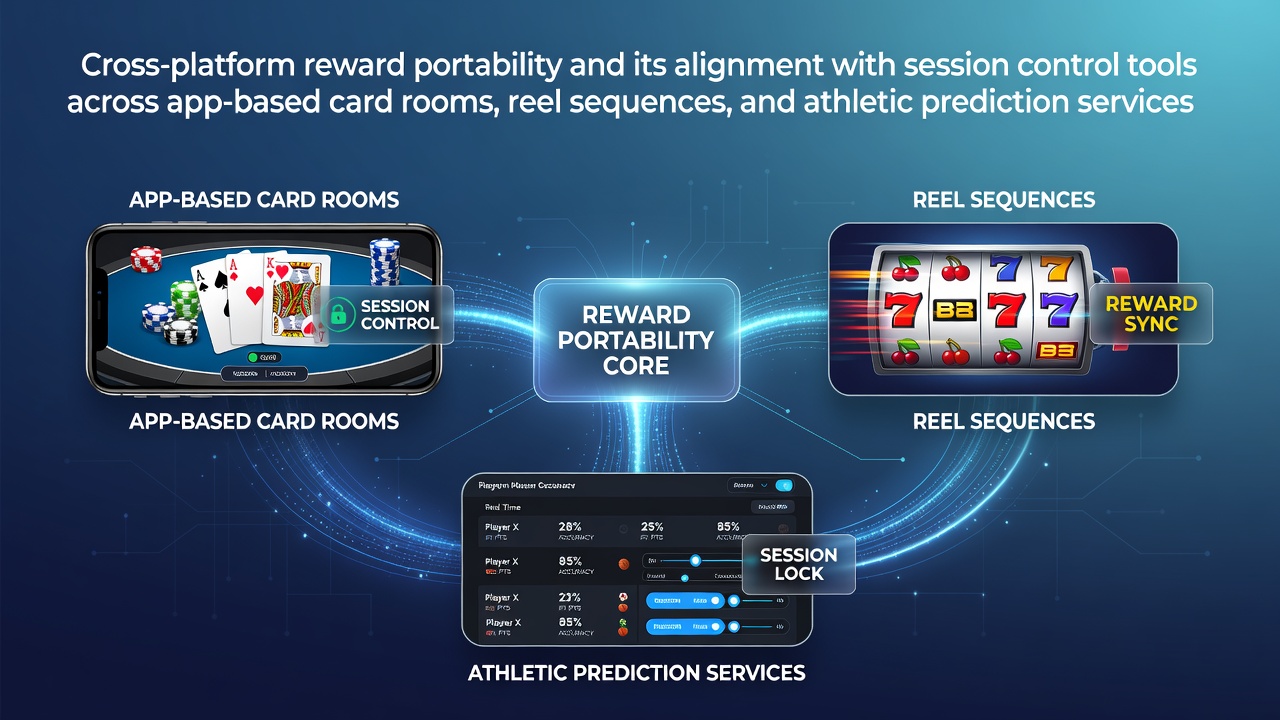
Cross-Platform Reward Portability and Its Alignment with Session Control Tools Across App-Based Card Rooms, Reel Sequences, and Athletic Prediction Services
Cross-platform reward portability refers to systems that allow users to carry loyalty points, bonuses, and progress metrics from one gaming application to another, and observers note this feature has gained traction in app-based card rooms, reel sequences, and athletic prediction services since the mid-2020s. Data from industry reports indicates that such portability often operates through centralized user accounts managed by operators or third-party networks, while session control tools, which include time limits, deposit caps, and activity reminders, function alongside these systems to monitor usage across platforms.
Mechanisms Driving Reward Portability
Operators implement reward portability through shared databases and API integrations that sync user activity in real time, and this setup lets points earned during poker sessions transfer to slot reels or sports forecasting apps without manual intervention. Researchers at several academic institutions have documented how these integrations rely on standardized data protocols, whereas variations in regional regulations influence the speed and scope of transfers. In August 2026, platform updates from multiple providers showed expanded compatibility between card room applications and athletic prediction services, with figures from operator disclosures revealing that millions of accounts now support multi-category point mobility.
Session Control Tools and Their Technical Alignment
Session control tools track metrics such as play duration and spending patterns, and these tools align with portability frameworks by applying consistent rules across linked applications. For instance, a time-based limit set in a reel sequence app can carry over to a card room session because the underlying account system recognizes the same user profile. Evidence from platform documentation shows that developers embed these controls at the account level rather than the individual app level, which reduces discrepancies but requires precise calibration to handle different game types. What's interesting is how athletic prediction services often incorporate additional variables like event-specific caps that sync with broader reward ledgers, allowing users to maintain visibility into their activity while points move between categories.
Implementation Across Card Rooms, Reels, and Prediction Services
App-based card rooms use portability to let players redeem poker tournament credits in slot environments, and reel sequences benefit from similar transfers that convert spin-based achievements into credits usable in sports forecasting tools. Athletic prediction services, meanwhile, integrate these features by linking outcome-based rewards to session histories from other categories, with data indicating smoother handoffs when operators employ unified identity verification. One study revealed that platforms adopting these alignments reported higher rates of sustained account activity, although the exact figures vary by jurisdiction and operator size. But here's the thing: alignment depends on how session controls handle edge cases, such as simultaneous logins across device types, and operators address this through centralized dashboards that update in real time.
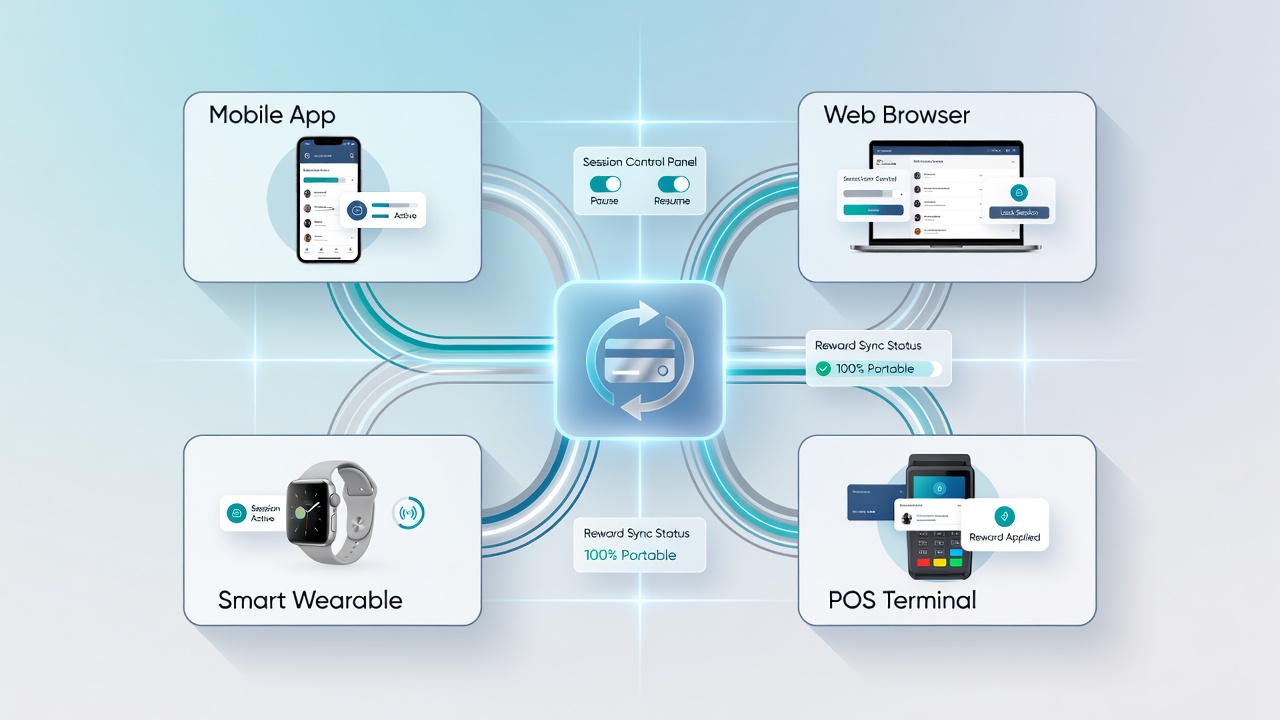
Regulatory and Technical Considerations in 2026
Regulatory bodies in different regions have issued guidance on data sharing that supports reward portability while requiring session controls to remain enforceable, and sources such as the Nevada Gaming Control Board have outlined standards for cross-application tracking. Technical teams focus on encryption and audit trails to ensure that transferred rewards do not bypass existing limits, whereas industry associations like the International Association of Gaming Regulators have published frameworks that operators reference when expanding compatibility. Turns out these measures help maintain consistency, especially when users switch between card rooms and athletic prediction services during the same session window. Reports from August 2026 highlighted several operators testing enhanced synchronization features that tie reward balances directly to session analytics, producing more granular oversight without disrupting gameplay flow.
Observed Patterns in User Account Management
Those who manage multiple gaming applications often encounter unified dashboards that display combined reward balances alongside session summaries, and this design lets individuals adjust controls from a single interface. Data shows that portability reduces the need for separate accounts per category, while session tools apply uniformly once the systems link together. Observers note that reel sequence platforms in particular have adopted these connections rapidly because spin histories translate easily into transferable metrics, and similar patterns appear in card room and sports prediction ecosystems. The reality is that alignment requires ongoing maintenance to accommodate software updates across providers, yet the core architecture remains centered on shared user identifiers.
Conclusion
Cross-platform reward portability continues to intersect with session control tools through shared technical standards and regulatory expectations, and the developments observed in August 2026 reflect broader industry movement toward integrated account systems. Information from regulatory disclosures and platform reports indicates that these alignments support consistent tracking across card rooms, reel sequences, and athletic prediction services, with operators refining the connections to handle diverse game formats and usage patterns.