Decoding the Influence of Sound Design Elements on Decision-Making Processes During Extended Sessions of Digital Slot Play and Live Athletic Wagers
David Foster · Oct 19, 2026
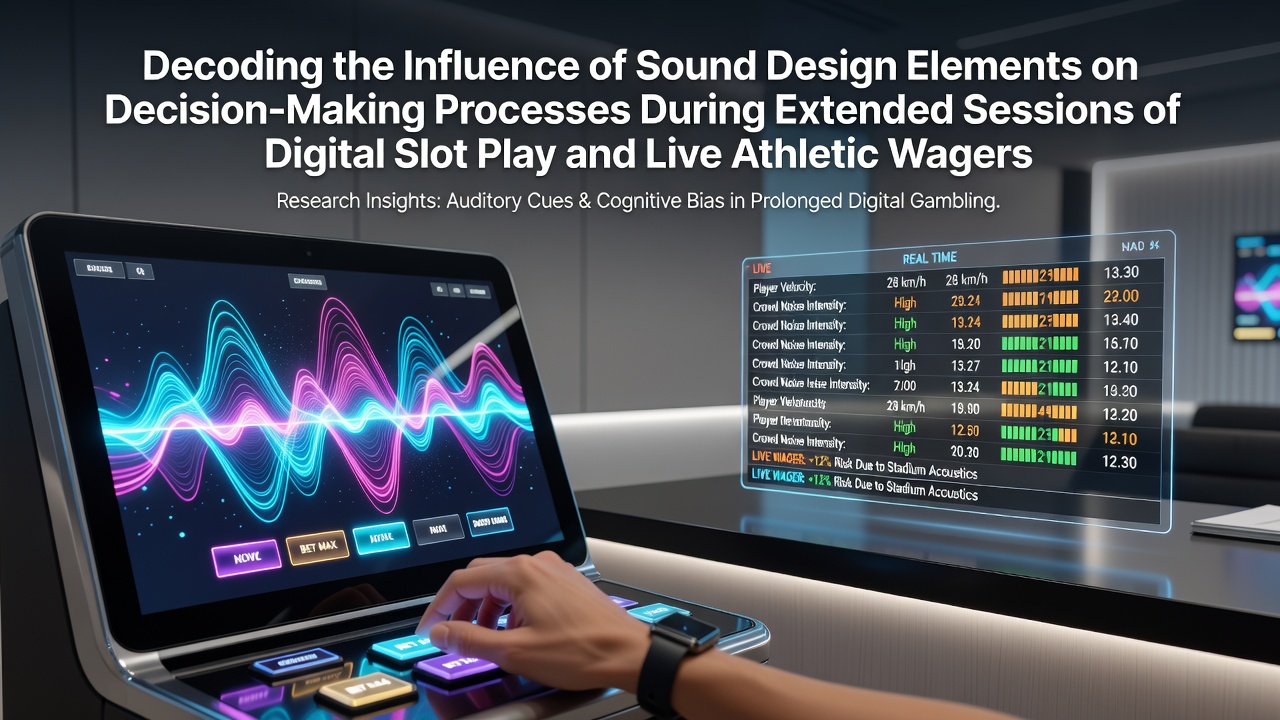
Decoding the Influence of Sound Design Elements on Decision-Making Processes During Extended Sessions of Digital Slot Play and Live Athletic Wagers
Sound design in digital slots and live sports wagering platforms incorporates layered audio elements that align with player actions and outcome displays, and researchers continue to examine how these components intersect with extended play sessions. In October 2026 data sets from multiple North American operators show that audio cues such as reel spins, celebratory chimes, and ambient crowd noise remain central to session pacing across mobile and desktop environments.
Core Audio Components in Slot Interfaces
Slot platforms typically deploy short melodic loops triggered by symbol alignment, escalating volume on near-miss sequences, and distinct jackpot fanfares that vary by prize tier. Observers note that these sounds activate within milliseconds of reel stops, creating immediate sensory feedback that coincides with credit meter updates. Studies conducted at the University of Nevada Las Vegas have tracked how repeated exposure to these patterns correlates with changes in bet sizing during sessions exceeding ninety minutes, and figures reveal measurable shifts in wager frequency when win-associated audio remains active versus muted conditions.
Audio Integration in Live Sports Wagering Environments
Live athletic wager interfaces embed stadium ambiance, commentator highlights, and real-time odds adjustment tones that update alongside market movements. These auditory layers synchronize with video feeds and push notifications, allowing participants to receive simultaneous visual and sonic information during in-play decisions. Data compiled by the American Gaming Association indicates that platforms incorporating dynamic crowd noise report higher average session durations in October 2026 compared with static audio versions, while bettors adjust stake amounts more frequently when audio intensity rises during critical game moments.
Research Findings on Prolonged Exposure
Academic teams have measured decision latency and risk tolerance across controlled sessions, and results demonstrate that continuous background tracks can reduce the time between consecutive bets. One investigation at a Canadian research facility found that participants exposed to escalating win sounds extended their play by an average of twenty-three minutes before voluntary breaks, whereas groups with audio disabled initiated pauses earlier. Similar patterns appear in sports betting trials where live event soundscapes coincide with quicker acceptance of revised odds lines.
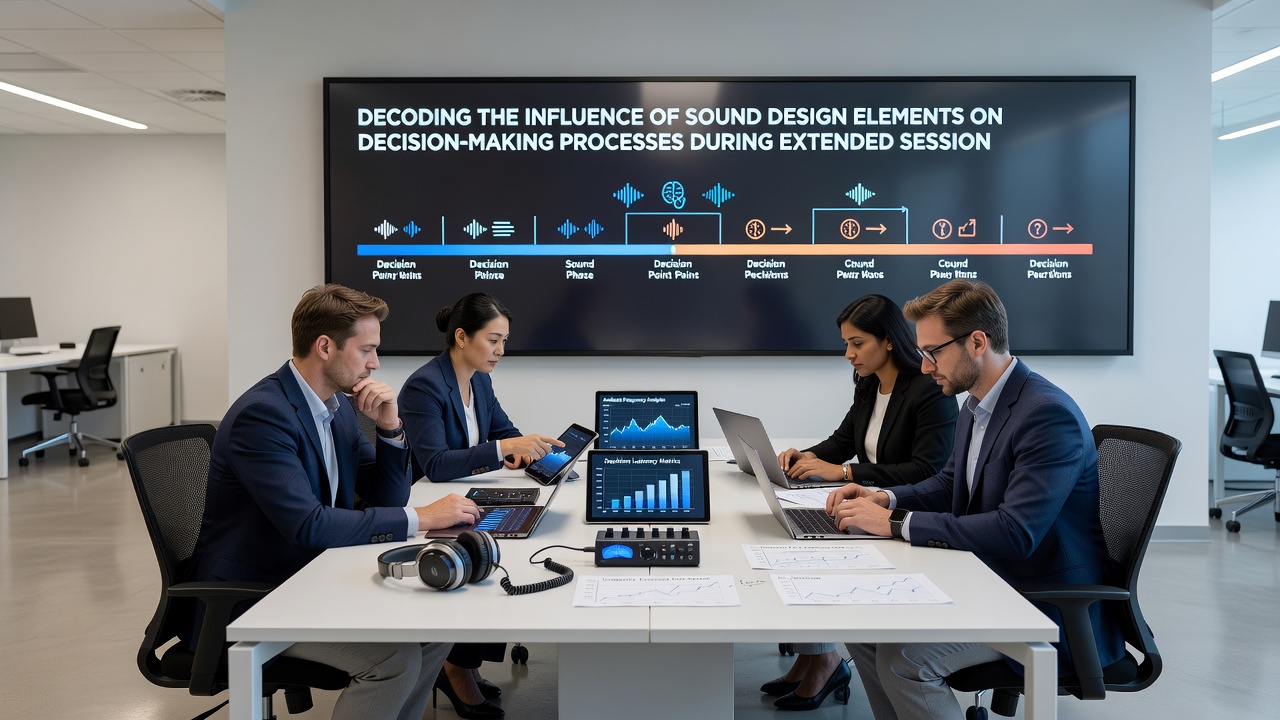
Operators adjust these elements through A/B testing frameworks that isolate volume, pitch, and frequency ranges. Reports from the Australian Gambling Research Centre document that calibrated audio profiles produce distinct engagement curves, and operators apply these profiles to different regional markets based on observed retention metrics.
Regulatory Context and Platform Adjustments
Regulatory bodies in Nevada and New Jersey require disclosure of audio settings within responsible gaming menus, allowing users to toggle or lower sound levels during extended sessions. In October 2026 several platforms introduced granular controls that separate win notifications from background music, and compliance reports show increased utilization of these options among users who exceed two-hour play thresholds. These adjustments align with broader industry efforts to provide transparent interface options without altering core game mathematics.
Cross-Platform Patterns Observed in 2026
Mobile applications and desktop clients display parallel audio behaviors, yet mobile sessions register higher average interaction rates with haptic feedback paired to sound events. Industry analyses indicate that sports wager participants who keep audio enabled during live events demonstrate steadier progression through multiple markets, while slot players respond more directly to discrete win and near-miss signals. Cross-referencing operator logs reveals that both categories experience measurable changes in decision cadence once cumulative audio exposure surpasses sixty minutes.
Conclusion
Sound design elements continue to function as integral components of digital slot and live sports wagering interfaces, and ongoing measurement by academic and industry groups documents their association with session length and bet adjustment patterns. Platforms maintain these features under evolving regulatory frameworks that emphasize user controls, while research institutions track outcomes across varied audio configurations to inform future design standards.