Decoding Withdrawal Velocity Patterns in Mobile Poker Networks and Their Ties to Behavioral Safeguards
Paul Foster · Nov 2, 2026
Decoding Withdrawal Velocity Patterns in Mobile Poker Networks and Their Ties to Behavioral Safeguards
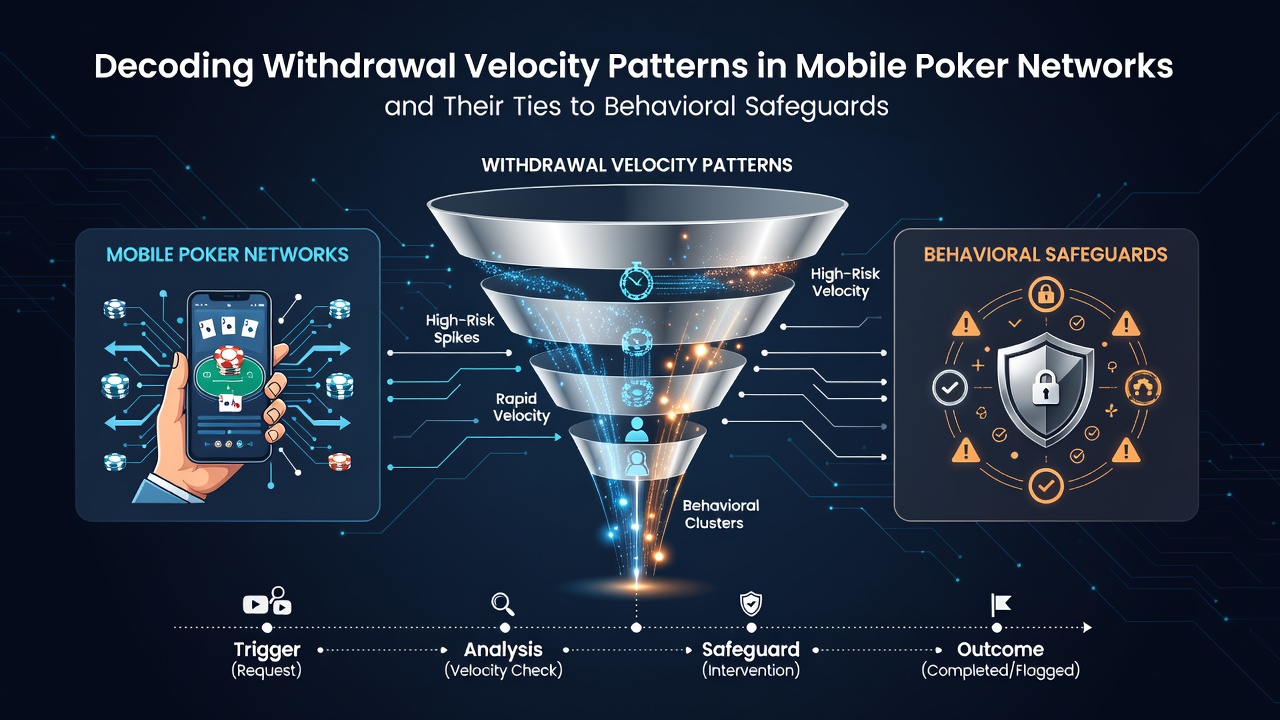
Withdrawal velocity patterns in mobile poker networks track the speed and frequency of cash-outs from player accounts, and these metrics connect directly to behavioral monitoring systems that flag potential issues before they escalate. Networks collect data on how quickly winnings move from virtual tables to external accounts, while operators integrate those readings with tools designed to promote responsible play across handheld devices. In November 2026, several platforms reported adjustments to these monitoring protocols following regulatory updates in multiple jurisdictions.
Core Elements of Withdrawal Velocity Tracking
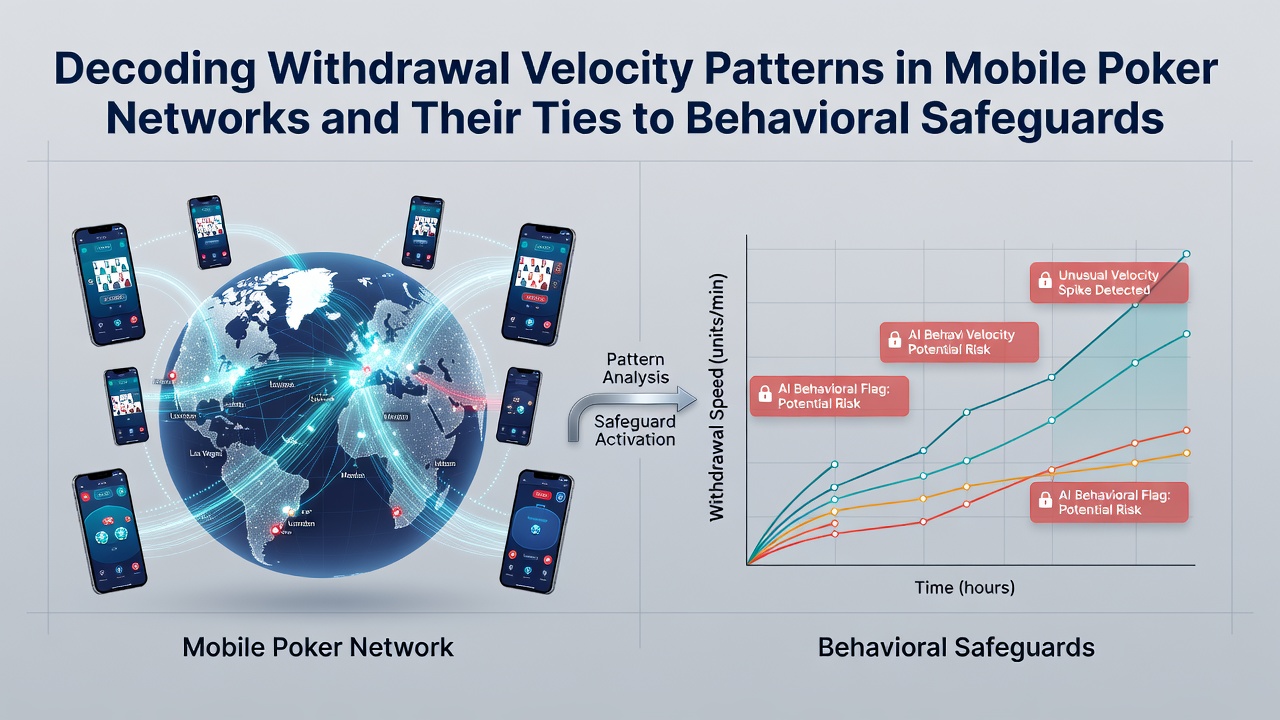
Operators measure withdrawal velocity through timestamps on deposit-to-cashout sequences, average amounts per transaction, and intervals between successive requests, and they store this information in centralized databases that interface with player profiles. High velocity often appears when users request multiple withdrawals within short windows, whereas slower patterns emerge among those who leave balances in play for extended sessions. Data from network analytics platforms shows that velocity spikes frequently coincide with large tournament payouts or streak-driven wins, yet the same systems cross-reference these events against deposit histories to build risk profiles without interrupting gameplay.
Integration With Behavioral Monitoring Tools
Behavioral safeguards activate when velocity thresholds trigger automated alerts, and these systems pause withdrawals or send notifications encouraging users to review their activity. Self-exclusion lists, deposit limits, and session timers link directly to velocity data, so a player who suddenly accelerates cashouts after a period of steady play may encounter temporary holds that require confirmation of account status. Researchers at institutions studying digital gaming have documented how such integrations reduce rapid cycling between deposits and withdrawals in controlled trials, and the same studies note that real-time velocity dashboards allow support teams to intervene earlier than traditional periodic reviews.
Regional Regulatory Approaches in Late 2026
Regulators in North America and Europe require operators to maintain velocity logs for audit purposes, and compliance reports from November 2026 highlight increased scrutiny on mobile poker segments specifically. The Nevada Gaming Control Board updated its technical standards to include velocity anomaly detection as a mandatory feature for licensed apps, while Canadian provincial authorities aligned similar requirements across iGaming frameworks. These rules emphasize that velocity monitoring must operate alongside existing responsible gambling features rather than replace them, and operators must demonstrate through periodic testing that alerts reach users before financial thresholds are crossed.
Patterns also vary by device type and payment method, since instant banking options tend to compress withdrawal timelines compared with traditional card processing. Networks that support multiple regions adjust velocity baselines accordingly, and this calibration helps distinguish routine high-stakes activity from sudden behavioral shifts that may warrant additional safeguards.
Case Examples From Network Operations
One documented implementation involved a major mobile poker provider that layered velocity checks onto its loyalty system, and the change resulted in earlier identification of accounts showing repeated high-speed withdrawals after bonus clearances. Another network introduced velocity-based nudges that appeared only after a set number of rapid transactions, and internal metrics indicated improved user engagement with limit-setting tools following these prompts. Observers note that such examples illustrate how velocity data serves as an early indicator rather than a punitive measure, allowing platforms to maintain player retention while meeting safeguard obligations.
Data Sharing and Privacy Considerations
Networks share aggregated velocity statistics with research bodies under anonymized protocols, and these datasets support studies examining correlations between withdrawal speed and self-reported gambling behaviors. Academic teams have accessed portions of this information through formal agreements, and their findings contribute to broader industry guidelines without exposing individual player details. In November 2026, several operators expanded these partnerships to include cross-border data exchanges that respect varying privacy statutes across operating regions.
Future Adjustments to Velocity Safeguards
Upcoming protocol updates focus on refining velocity algorithms to account for seasonal tournament calendars and promotional calendars, and developers test these refinements against historical withdrawal records to minimize false positives. The goal remains consistent alignment between velocity detection and existing behavioral tools such as reality checks and cooling-off periods. Industry groups continue to publish technical briefs that detail best practices for integrating these systems without compromising game flow or user experience.
Conclusion
Withdrawal velocity patterns supply mobile poker networks with measurable signals that tie directly into behavioral safeguard frameworks, and the continued refinement of these connections supports regulatory compliance across jurisdictions. Data collected through these systems informs both operational decisions and broader research efforts, while regional standards evolve to address emerging payment technologies. As networks process November 2026 figures, the emphasis stays on maintaining accurate monitoring that protects players through timely, integrated interventions.