How Data Synchronization Between Event Calendars and Bonus Timers Reshapes Engagement Cycles in App-Based Table Games and Athletic Prediction Tools
David Foster · Nov 17, 2026
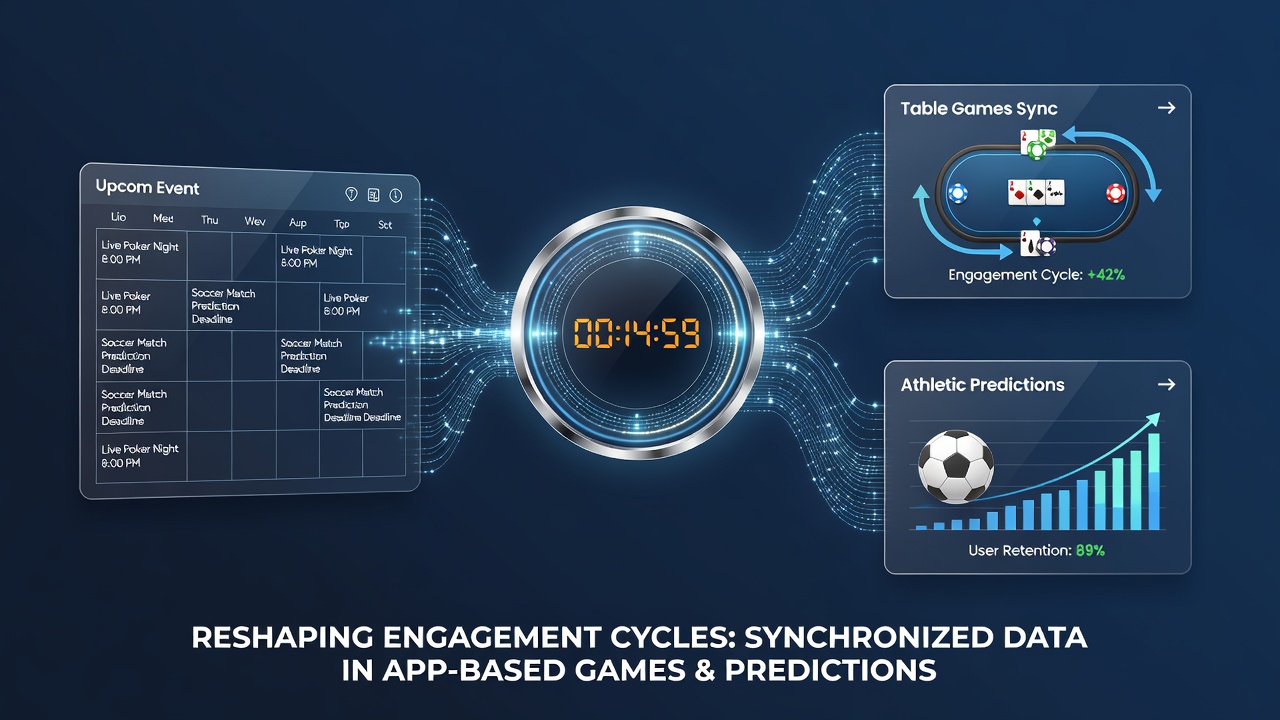
How Data Synchronization Between Event Calendars and Bonus Timers Reshapes Engagement Cycles in App-Based Table Games and Athletic Prediction Tools
App developers in the table game and athletic prediction sectors have integrated real-time data feeds that connect external event calendars with internal bonus timer systems, and this linkage produces measurable shifts in how users interact with platforms over time. Event schedules from professional leagues and tournament organizers feed directly into backend databases, which then adjust bonus activation windows to coincide with peak activity periods such as major matches or championship rounds.
Systems pull data from sources including league APIs and venue calendars, then map those timestamps against bonus expiration logic so that time-limited offers activate precisely when user traffic is expected to rise. In athletic prediction tools, for instance, a scheduled football game on a Saturday evening triggers bonus multipliers that expire two hours after the final whistle, and this alignment encourages repeated logins during the event window itself.
Mechanics of Calendar-to-Timer Data Flow
Developers establish API connections that update bonus timers every few minutes when new event details emerge, and these updates include variables like start times, delays, and venue changes. Table game applications apply similar logic during online poker tournaments or blackjack leaderboards, where bonus chips or free spins become available only while the synchronized event remains live. Data pipelines handle timezone conversions automatically so that users across regions receive consistent timing regardless of their location.
According to reports from the American Gaming Association, synchronized systems have reduced instances of unused bonuses by aligning expiration points with actual event durations rather than fixed arbitrary windows. The process relies on event metadata that includes duration estimates and historical attendance patterns, allowing the bonus engine to extend or shorten timers dynamically.
Effects on User Engagement Patterns
Engagement cycles lengthen when bonus availability overlaps with high-interest events because users return to the app multiple times within a single session block. Athletic prediction platforms record increased prediction submissions in the hours immediately before synchronized events begin, while table game apps see elevated table join rates once bonuses activate. Researchers tracking mobile analytics note that these overlaps create repeated micro-cycles of activity instead of single prolonged sessions.
Platforms that implemented calendar synchronization in late 2025 observed steady rises in daily active users during November 2026 league seasons, particularly when bonuses were tied to international tournaments. The data shows that users who receive notifications about synchronized bonuses tend to complete more actions per visit compared with periods when timers run independently of event schedules.
Retention and Cycle Adjustments
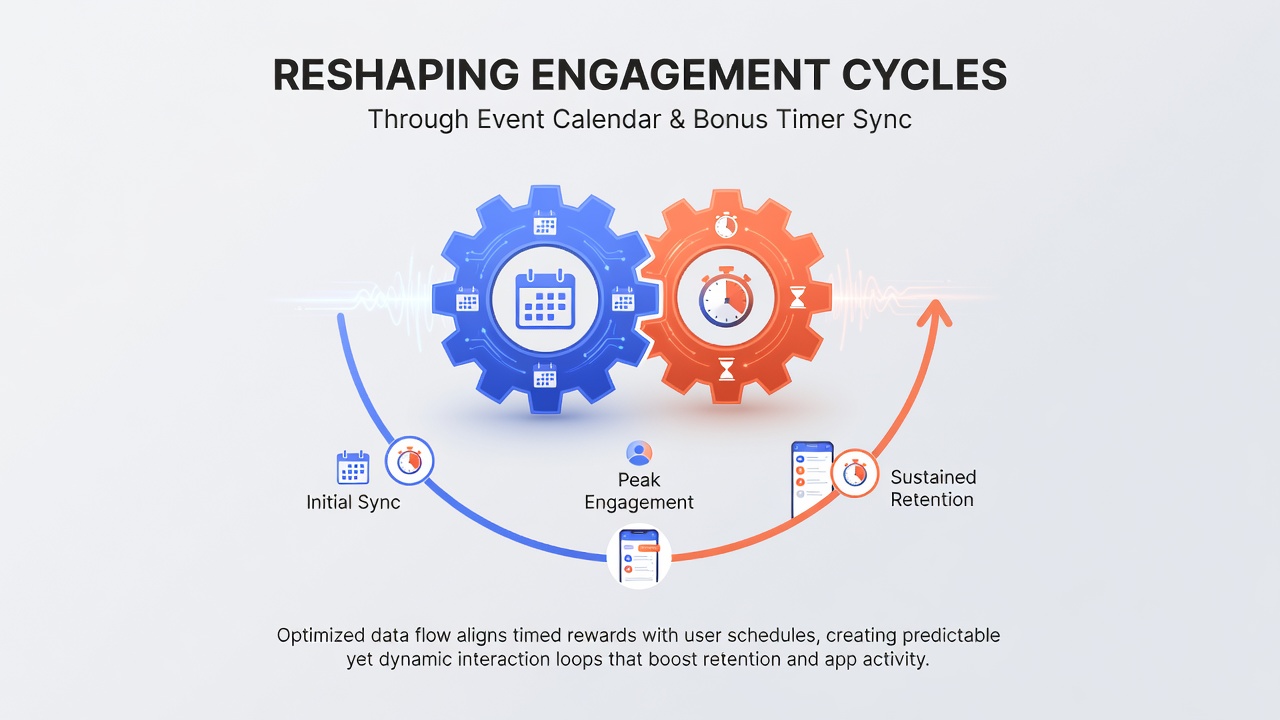
Retention metrics improve when bonus timers reset in coordination with recurring calendar events such as weekly league fixtures or monthly table game series. Users develop habits around these recurring overlaps because the system reinforces predictable reward opportunities. Data from Canadian regulatory filings indicates that apps using synchronized timers report lower churn rates during off-peak months when event calendars still provide structure for bonus releases.
Algorithmic adjustments occur when platforms analyze post-event engagement drops and recalibrate future bonus windows accordingly. Athletic prediction tools, for example, shorten timers after major events conclude to prevent users from waiting too long for the next activation, and table game interfaces extend timers slightly during slower periods to maintain momentum. These tweaks rely on aggregated user behavior data collected across multiple synchronized cycles.
Technical Implementation Across Platforms
Backend databases store event calendar entries as structured objects that include start times, end times, and category tags, then link those objects to bonus rulesets through unique identifiers. When an event status changes from scheduled to live, the connected bonus timer activates without manual intervention. Both table game and prediction apps use the same core synchronization layer, although the surface-level rewards differ: chips and seat reservations in table games versus boosted odds or prediction credits in athletic tools.
Security protocols encrypt the data transfers between calendar sources and bonus systems to maintain integrity across distributed servers. November 2026 updates to several major platforms introduced redundant sync checks that verify timer accuracy against multiple calendar feeds simultaneously, reducing desynchronization errors that previously caused bonus mismatches.
Conclusion
Data synchronization between event calendars and bonus timers produces structured engagement cycles in app-based table games and athletic prediction tools by aligning reward availability with external event timing. Platforms continue to refine these connections through ongoing analysis of usage data and calendar updates, creating measurable patterns in how users interact with features across different seasons and tournament schedules.