How Firmware Updates Recalibrate Probability Distributions in Handheld Gaming Devices
Tina Schröder · Aug 21, 2026
How Firmware Updates Recalibrate Probability Distributions in Handheld Gaming Devices
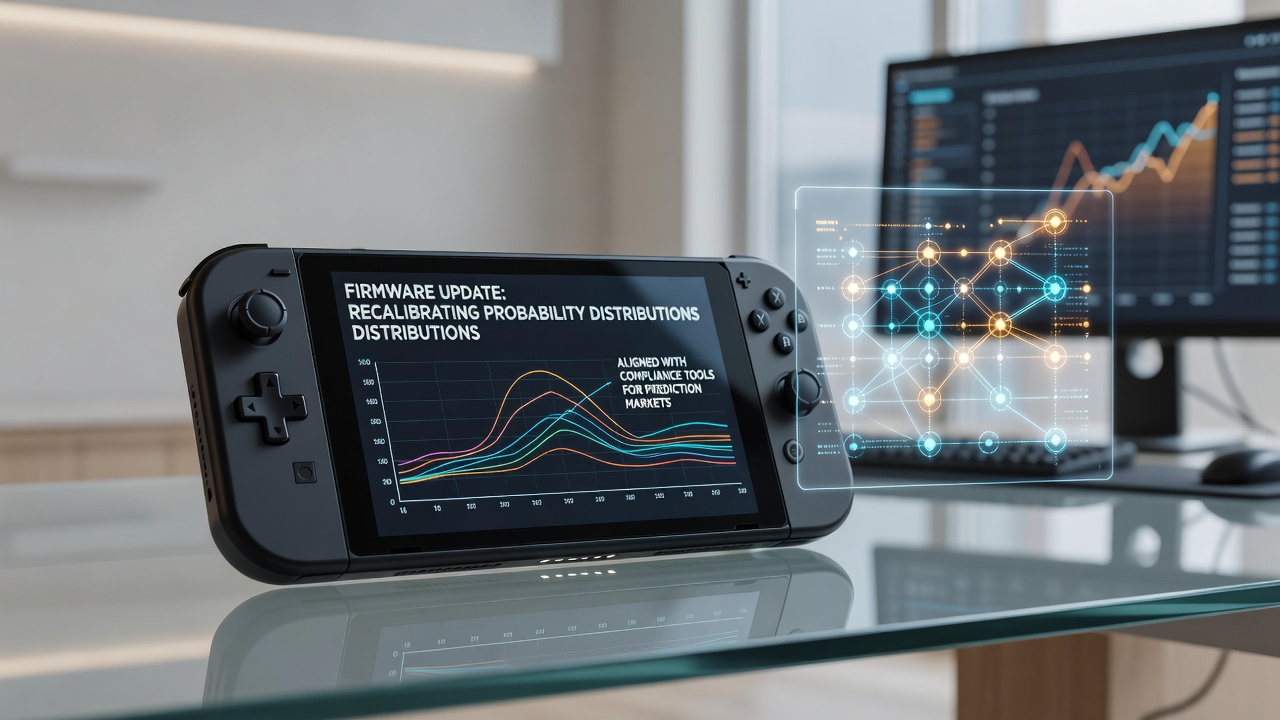
Handheld gaming devices rely on firmware updates to adjust the underlying algorithms that govern outcome probabilities across reel games, card simulations, and prediction market interfaces. These updates modify random number generator parameters so that probability distributions align with updated regulatory requirements and platform-specific compliance standards. Manufacturers release such patches on schedules that coincide with new hardware certifications or changes in market forecasting tools.
Firmware Mechanisms and Distribution Adjustments
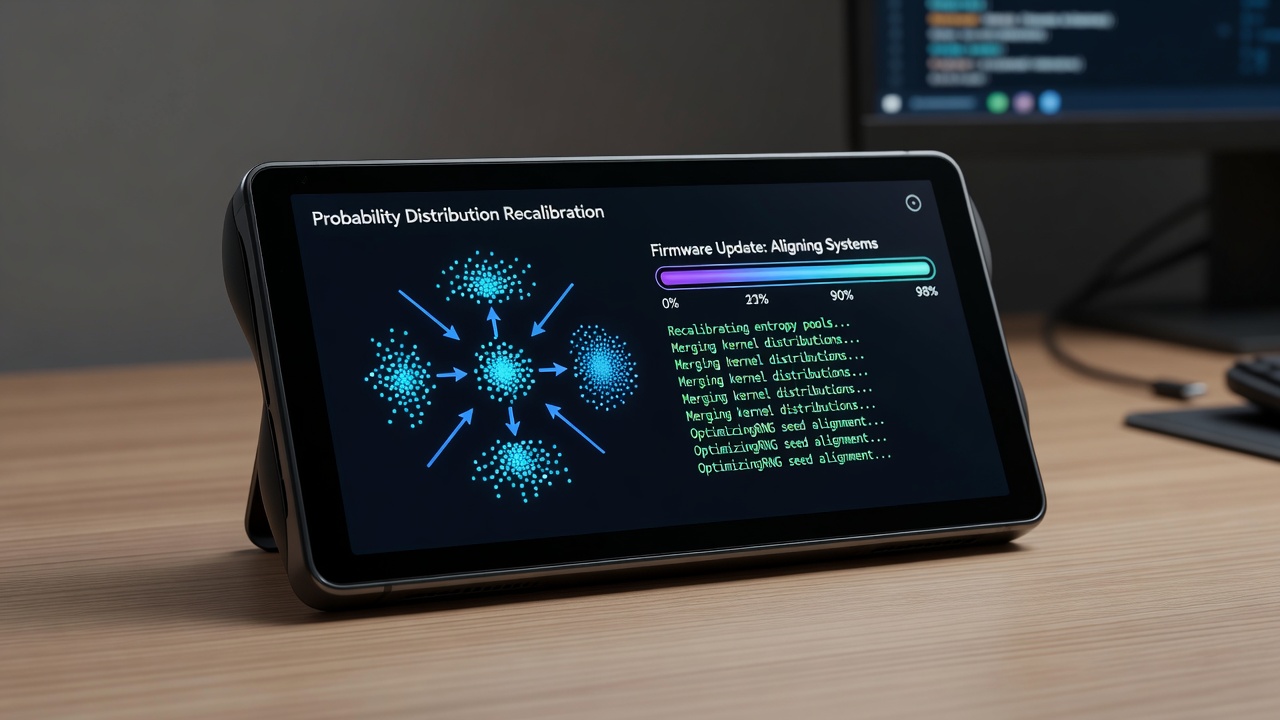
Engineers design firmware layers to interface directly with hardware random number generators embedded in portable processors. When an update installs, it recalibrates seed values and entropy pools that feed into distribution models for individual game sessions. The process replaces older lookup tables with revised coefficients that shift the expected frequency of high-probability versus low-probability results. Device logs record each recalibration event so auditors can verify that distribution curves remain within approved tolerance bands.
Portable units used for athletic forecast applications receive the same type of firmware packages. These packages integrate additional modules that map recalibrated distributions onto prediction market settlement engines. The integration ensures that probability outputs used for market pricing match the statistical parameters required by licensing jurisdictions. Data from field deployments shows that firmware versions released after March 2026 introduced finer granularity in tail-end probability modeling.
Integration with Compliance Frameworks
Regulatory bodies in multiple regions mandate that firmware changes undergo third-party testing before deployment. Testing protocols examine whether recalibrated distributions preserve fairness metrics across thousands of simulated sessions. In August 2026 several North American and European testing laboratories reported increased submission volumes for handheld platforms that combine gaming functions with prediction market interfaces. Compliance documentation now requires explicit mapping between firmware version numbers and the probability parameters active during each market settlement cycle.
Prediction market operators embed compliance hooks inside the same firmware that manages game logic. These hooks export distribution metadata to centralized monitoring systems operated by state or provincial regulators. The exported data allows real-time comparison against approved baseline curves. When deviations exceed predefined thresholds, the system triggers automatic rollback to the prior firmware revision until operators complete corrective verification.
Technical Implementation Across Device Platforms
Developers package firmware updates as differential patches that minimize download size for users on mobile networks. The patches contain new entropy calibration routines and updated distribution tables tailored to specific chipset revisions. Handheld units running Android-based gaming shells apply the patches through over-the-air delivery while maintaining session continuity for active prediction positions. iOS-based devices follow similar procedures but route updates through manufacturer-controlled distribution channels that include additional cryptographic signing steps.
Research from the Canadian Institute for Gaming Research indicates that devices receiving quarterly firmware updates demonstrate lower variance drift in long-term probability distributions compared with units operating on static firmware. The study tracked 12,000 portable units across six months and recorded distribution statistics at 15-minute intervals. Results showed that recalibration events reduced cumulative deviation from target curves by an average of 18 percent.
August 2026 Regulatory Developments
During August 2026 several jurisdictions updated their technical standards for handheld gaming hardware that interfaces with prediction markets. The Nevada Gaming Control Board published revised guidelines requiring firmware to log every probability parameter change with timestamp precision to the millisecond. Australian state regulators issued parallel guidance that emphasized interoperability between device firmware and centralized compliance dashboards used by prediction market operators. These updates prompted manufacturers to accelerate patch release cycles for devices already in circulation.
Industry associations coordinated with academic laboratories to publish reference implementations for entropy management in portable environments. The documents detail how firmware can maintain cryptographic audit trails while performing distribution recalibrations without interrupting user sessions. Operators report that adoption of these reference methods has streamlined the approval process for new firmware versions.
Conclusion
Firmware updates serve as the primary mechanism for maintaining alignment between probability distributions in handheld gaming devices and the compliance requirements of prediction market platforms. Through structured recalibration processes, device manufacturers ensure that outcome frequencies remain consistent with regulatory expectations across multiple jurisdictions. Ongoing refinements in patch delivery and metadata export continue to support verification workflows used by testing laboratories and oversight agencies.