Incentive Triggers: Linking Bonuses to Oversight Tools in Mobile Sportsbooks and Slot Platforms
Tina Schröder · Jul 29, 2026
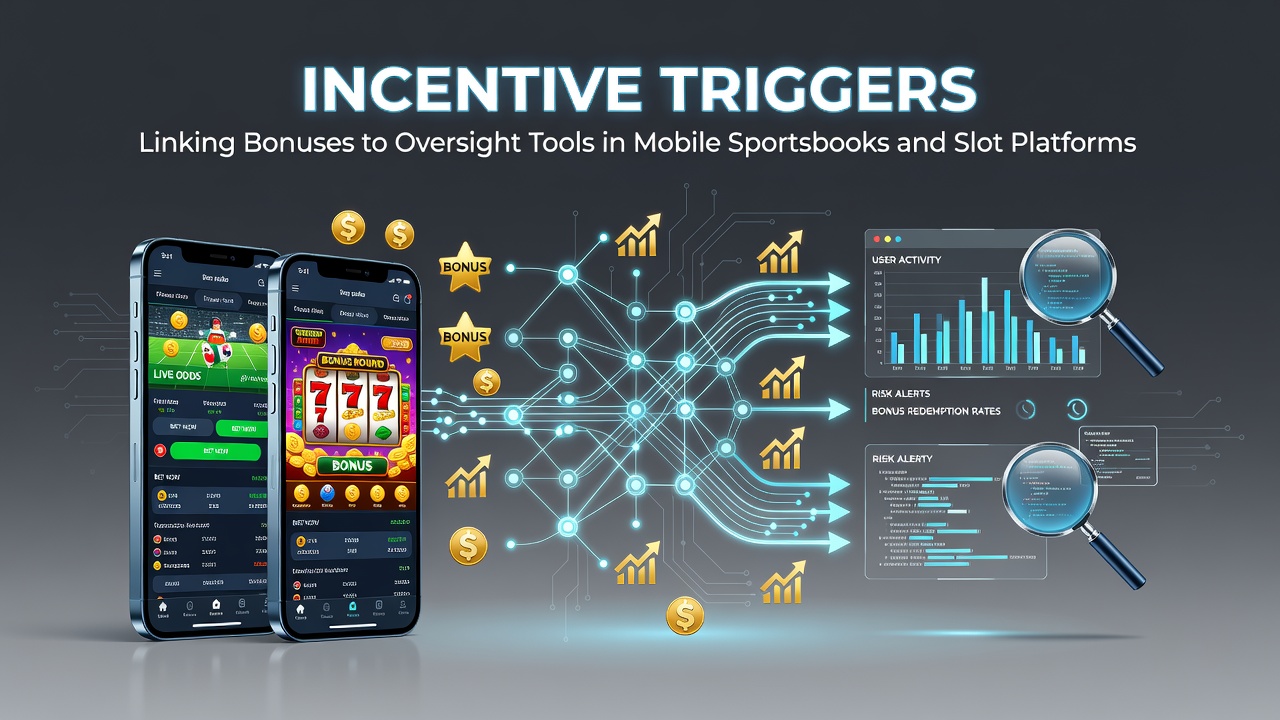
Incentive Triggers: Linking Bonuses to Oversight Tools in Mobile Sportsbooks and Slot Platforms
Operators in mobile sportsbooks and slot platforms now tie bonus eligibility directly to oversight mechanisms that track player activity and enforce limits. These incentive triggers activate when users set parameters such as deposit caps, session timers, or loss thresholds through the same app interface that delivers promotions. Research from industry reports shows that platforms using this linkage record higher compliance rates with self-imposed boundaries during July 2026 operations.
Systems work by embedding conditional code in bonus terms. A user who claims a free spin package on slots must first confirm a daily deposit limit before the reward unlocks. The same process applies to sportsbook promos where match bonuses require prior selection of time-out periods. This structure ensures that promotional value and protective tools operate as paired functions rather than separate features.
Mechanics Across Mobile Sportsbooks
Sportsbook applications integrate triggers at the account creation stage and again at each bonus claim. Data collected from user sessions indicates that participants who link a wager credit to a reality-check reminder complete fewer impulsive deposits over extended periods. The connection appears in real time as the platform adjusts available bonus tiers based on the strength of oversight settings already in place.
One common pathway involves tiered rewards. Higher-value bonuses become available only after users demonstrate consistent use of exclusion windows or cool-off intervals. Platform logs from multiple operators reveal that such conditional access reduces repeat high-volume betting sequences within the same calendar week.
Application in Slot Platforms
Slot environments follow a similar pattern yet adapt the triggers to reel-based play cycles. Bonus rounds tied to free spin bundles require prior activation of loss-limit alerts that interrupt sessions after a set threshold. The mechanism pauses gameplay and displays current spend summaries before any additional spins release. Observers note that this interrupt pattern aligns promotional access with behavioral checkpoints already embedded in the app architecture.
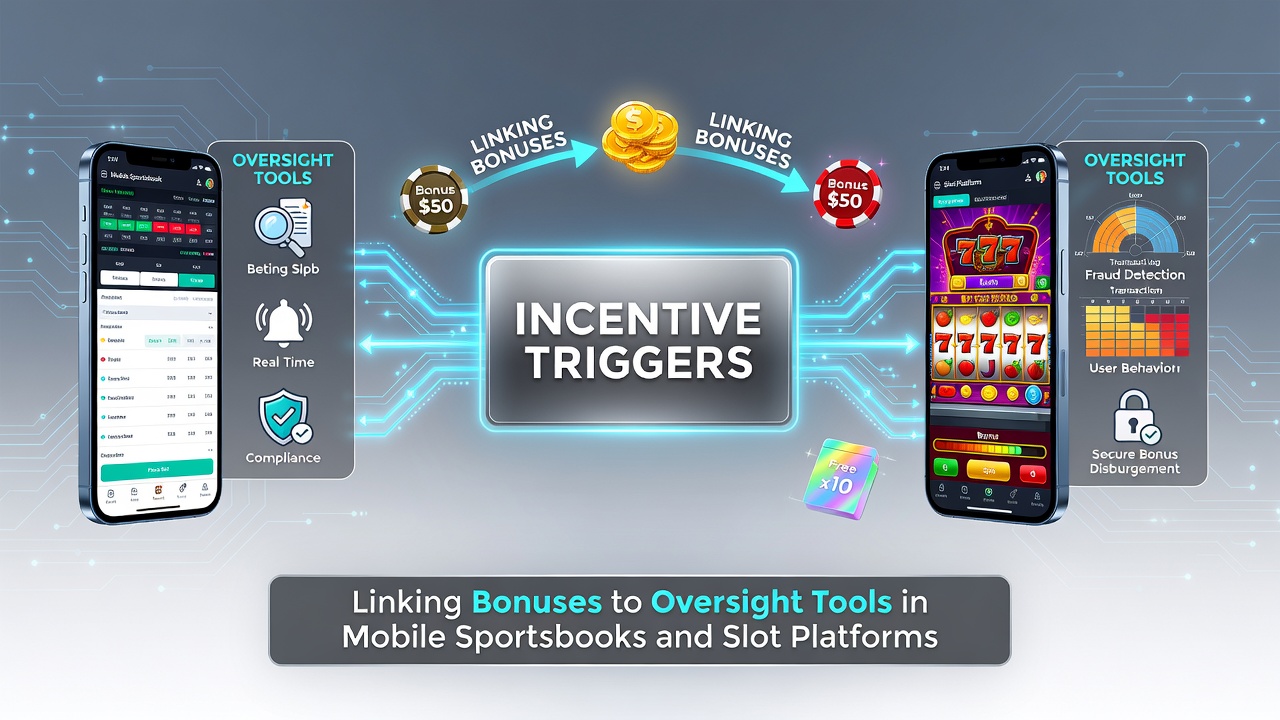
Developers program the triggers to respond to aggregated play data across multiple titles. When a player exceeds a chosen spin count or coin-in total, the system withholds subsequent bonus offers until the user reviews and adjusts their oversight profile. This feedback loop keeps promotional incentives synchronized with ongoing monitoring without requiring separate navigation menus.
Integration with Regulatory Frameworks
Regulatory bodies across regions have begun referencing these linked systems in compliance documentation. Nevada Gaming Control Board guidelines encourage operators to demonstrate that bonus structures reinforce rather than override player-set limits. Similar expectations appear in Canadian provincial standards where mobile platforms must log the connection between rewards and self-exclusion tools for audit purposes.
European authorities have examined the same linkage in technical standards updates released during early 2026. These reviews focus on whether the trigger logic prevents circumvention through multiple accounts or device switching. Operators that maintain transparent audit trails for these connections receive streamlined approval for new promotional campaigns.
Impact on Player Behavior Patterns
Studies compiled by academic research groups track how the pairing of bonuses and oversight alters session duration. Figures released by the Australian Gambling Research Centre show reduced average play length when users activate both features together. The data covers mobile sports and slot activity across several licensed markets and notes consistent patterns in deposit frequency following bonus claims.
Implementation details vary by provider yet share core elements. Every trigger requires an affirmative user action before bonus funds appear in the account balance. This affirmative step creates a documented record that platforms retain for internal reporting and external review cycles.
Conclusion
The linkage between incentive triggers and oversight tools continues to shape mobile sportsbook and slot platform design. Operators embed these connections at the code level so that promotional access depends on active management of player-defined limits. Regulatory attention and research findings both point to measurable effects on session metrics when the two systems operate as a single coordinated process. As platforms update their applications through the remainder of 2026, further refinements to trigger logic are expected to maintain this integrated approach.