Regulatory Shifts Reshaping Transaction Pathways in Wireless Poker Networks and Athletic Forecast Platforms
David Foster · Jul 22, 2026
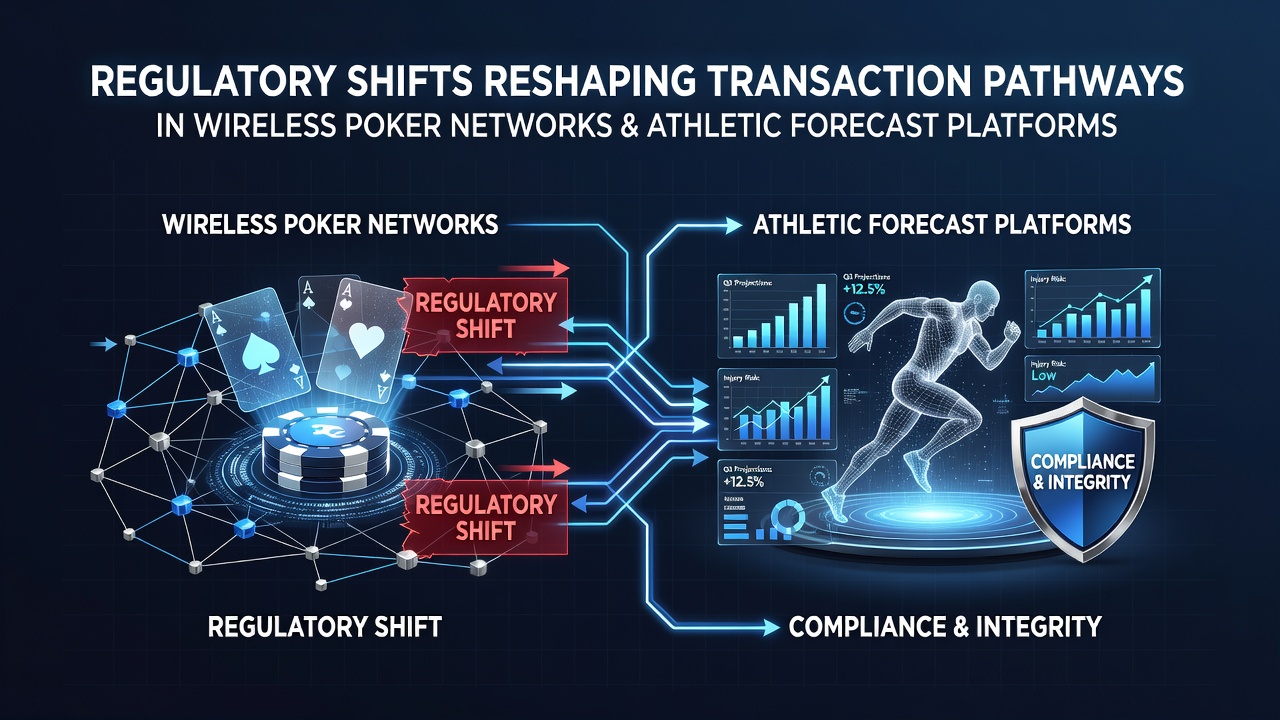
Regulatory Shifts Reshaping Transaction Pathways in Wireless Poker Networks and Athletic Forecast Platforms
Regulatory frameworks across multiple jurisdictions have begun altering how funds move through wireless poker networks and athletic forecast platforms since early 2026, with new compliance layers focusing on transaction verification, cross-border payment routing, and intermediary oversight. Data from industry monitoring groups shows these adjustments stem from updated anti-money laundering directives and consumer protection statutes that took effect in several regions during the first half of the year.
Key Regulatory Developments in 2026
Observers note that jurisdictions in North America and Europe introduced revised guidelines requiring enhanced due diligence on digital wallet integrations and real-time payment monitoring. In July 2026, several state-level authorities in the United States aligned their verification protocols with federal banking standards, creating unified reporting requirements for poker app operators and sports prediction services. These measures mandate that platforms route transactions through licensed payment processors capable of flagging suspicious patterns within milliseconds of initiation.
European regulators followed a similar path by expanding the scope of existing electronic money directives to cover mobile gaming ecosystems. Figures from the Malta Gaming Authority indicate that transaction approval timelines lengthened by an average of 18 percent for cross-border transfers between April and June 2026, as operators implemented automated screening tools. Meanwhile, Australian oversight bodies updated their interactive gambling rules to require explicit consent mechanisms before funds could transfer between forecast platforms and external banking accounts.
Effects on Wireless Poker Networks
Wireless poker operators adjusted their backend systems to accommodate new encryption and audit trails mandated by these regulations. Transaction pathways now incorporate additional checkpoints where user identities undergo repeated validation against centralized databases. Research from academic institutions tracking digital gaming trends reveals that networks handling multi-state or multi-country play experienced a 22 percent increase in processing fees during the second quarter of 2026, largely due to the need for specialized compliance software.
One study revealed that certain poker platforms rerouted player deposits through regional hubs to satisfy local licensing conditions, resulting in segmented liquidity pools that affect game availability in specific markets. Those who've examined network logs report longer settlement periods for withdrawals when funds originate from jurisdictions with stricter capital flow restrictions.

Impacts on Athletic Forecast Platforms
Athletic forecast platforms, often integrated with live event data feeds, faced parallel requirements for separating promotional bonuses from principal deposits during transaction processing. According to reports compiled by the American Gaming Association, operators introduced new ledger categories to distinguish between regulatory-compliant wagers and those tied to loyalty incentives. This separation affects how platforms calculate and disburse winnings across mobile interfaces.
Canadian provincial regulators, including those in Ontario, enforced updated standards that require forecast apps to maintain separate transaction ledgers for each licensed market. Data indicates these changes reduced the speed of inter-account transfers by roughly 15 percent in affected applications, prompting developers to redesign user interfaces with clearer disclosure screens. Platforms operating in multiple provinces now route funds through distinct channels to avoid commingling that could violate the revised statutes.
Adaptations and Implementation Patterns
Companies managing both poker networks and forecast platforms adopted unified compliance dashboards that track regulatory updates across jurisdictions in real time. These systems flag transactions requiring manual review before funds complete their journey from user account to external bank. Industry associations document that training programs for compliance teams expanded significantly in the months leading up to July 2026, as staff learned to interpret new reporting formats issued by various oversight bodies.
Payment verification protocols now integrate biometric markers alongside traditional account details in many wireless environments. This combination helps satisfy demands from regulatory bodies while maintaining the flow of legitimate activity through poker tables and sports prediction interfaces. Observers note that smaller operators partnered with established processors to share the infrastructure costs associated with these upgrades.
Conclusion
Regulatory shifts continue to influence transaction pathways in wireless poker networks and athletic forecast platforms through layered verification steps and jurisdiction-specific routing rules. Operators respond by updating systems and processes to align with requirements that emerged throughout 2026. Ongoing adjustments reflect the broader effort to standardize payment handling while preserving operational functionality across mobile gaming environments.