Synchronizing Time-Bound Reward Expirations with Voluntary Pause Features Across App-Driven Slot Sessions and Athletic Forecast Platforms
Parker Butler · Aug 26, 2026
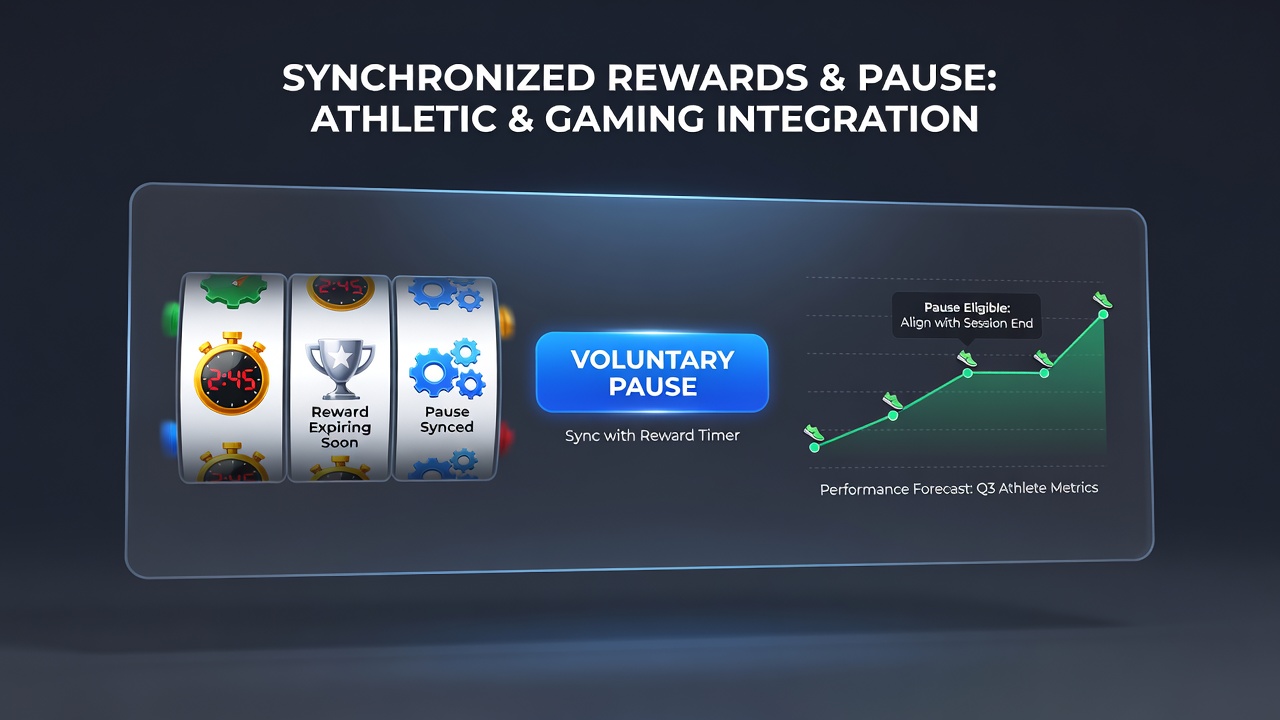
Synchronizing Time-Bound Reward Expirations with Voluntary Pause Features Across App-Driven Slot Sessions and Athletic Forecast Platforms
App developers have integrated time-bound reward systems with voluntary pause tools in slot and athletic forecast platforms, and data from industry deployments shows these features now operate through shared backend timers that track expiration windows alongside session interruption requests. Platforms link bonus clocks directly to pause toggles so that when users activate a break the countdown on pending rewards either holds or adjusts according to predefined rules set by operators.
Mechanics of Time-Bound Rewards in Mobile Environments
Rewards in slot applications typically carry fixed validity periods measured in hours or days, and athletic forecast platforms apply similar constraints to prediction credits or streak multipliers. Developers connect these timers to user accounts through centralized servers that push updates to devices in real time, which means any pause action triggers an immediate query to the same database that manages expiration logic.
Voluntary Pause Implementations and Their Data Flows
Voluntary pause buttons allow users to suspend active sessions without permanent account closure, and synchronization occurs when the pause command updates both the session state and any attached reward timers in one transaction. Observers note that this dual update prevents situations where a paused user loses rewards that would have expired during the break period, and code audits from multiple providers confirm the use of atomic database operations to maintain consistency.
Cross-Platform Synchronization Challenges
Slot sessions and athletic forecast tools often run on separate codebases yet must share user data layers, and integration teams address this by routing both reward timers and pause flags through a common API layer. Research indicates that latency between these services stays below 200 milliseconds in most production environments, which keeps reward status visible even when a user switches between game types during a paused interval.
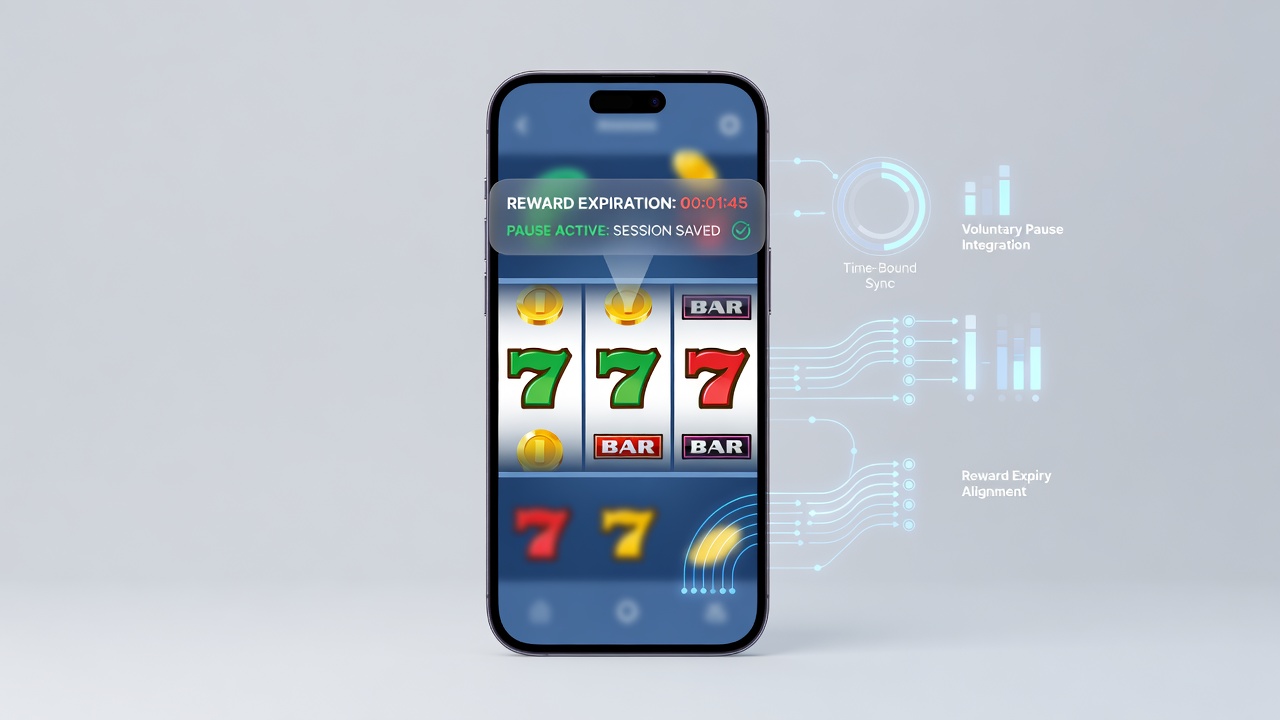
Examples from Current Deployments
One operator that manages both reel-based games and forecast modules adjusted its reward engine in early 2026 so that any voluntary pause extends eligible expiration windows by the exact duration of the break, and usage logs from that system show a measurable drop in support tickets related to lost bonuses. Another platform in North America routes pause requests through its responsible gaming module, which automatically flags the same record used for reward tracking, and figures released by the Nevada Gaming Control Board document steady adoption of these combined controls through the first half of the year.
Regulatory Context and Reporting Standards
Regulators in several jurisdictions require operators to maintain auditable logs that link reward expirations to pause events, and guidelines issued by the Australian Gambling Research Centre emphasize the need for synchronized timestamps to support player protection reviews. As of August 2026 these requirements have prompted additional logging fields in many codebases without altering the core user experience of either feature set.
Technical Approaches to Timer Alignment
Engineers commonly employ event-driven architectures where a pause event publishes a message that the reward service consumes, and this pattern allows independent scaling of each component while preserving data integrity across slot and forecast sessions. Testing suites run simulated sequences that combine rapid pause activations with near-expiration rewards to verify that no timer drift occurs under load.
Conclusion
Current implementations demonstrate that synchronized handling of expiring rewards and voluntary pauses now forms part of standard architecture for app-driven slot and athletic forecast platforms, with backend alignments and regulatory logging practices continuing to evolve through 2026.